PPWR and Paper Cups: What European Buyers and Manufacturers Need to Know in 2026
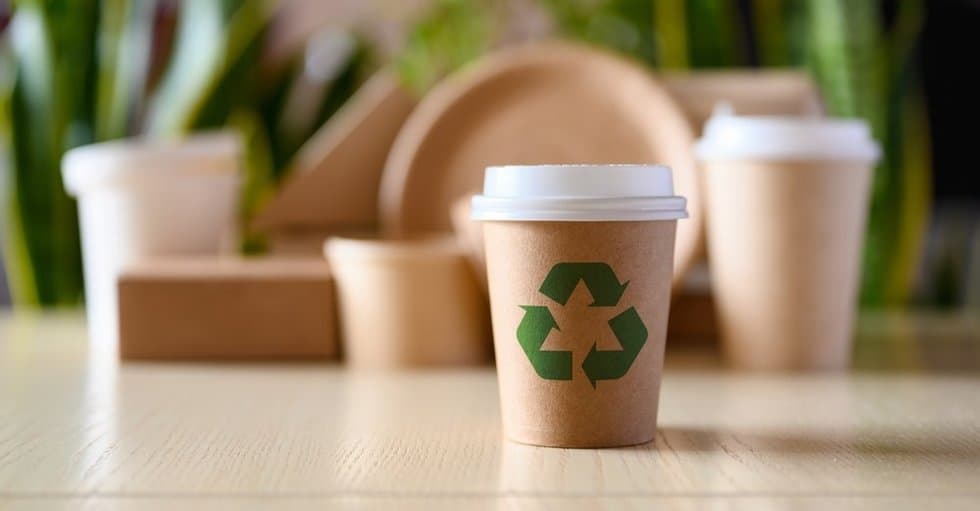
A New Regulatory Phase for European Packaging
The European packaging industry has entered a new regulatory phase.
The EU Packaging and Packaging Waste Regulation (PPWR) began applying on 12 August 2026, bringing packaging compliance further into the purchasing and product-development decisions of European brands, importers, distributors, and packaging manufacturers.
For the paper cup industry, this is an important development. A paper cup can no longer be evaluated only on the basis of price, paper GSM, printing quality, leakage resistance, and delivery time. European buyers are increasingly looking at the complete packaging system — including coatings, chemical compliance, food-contact safety, material composition, recyclability, and documentation.
As a paper cup manufacturer and exporter, understanding these requirements is becoming an important part of remaining competitive in the European market.
What Is PPWR?
The Packaging and Packaging Waste Regulation (EU) 2025/40 establishes a common framework for packaging placed on the European Union market.
Its broader objectives include reducing packaging waste, improving packaging design, supporting recycling, increasing material efficiency, and encouraging more sustainable packaging solutions.
PPWR entered into force in February 2025 and began applying from 12 August 2026. However, not every PPWR requirement takes effect at the same time. Several requirements — including aspects of recyclability and design-for-recycling — are being introduced progressively through different timelines and supporting measures.
For businesses supplying paper cups to Europe, compliance preparation should begin now rather than waiting for the later deadlines.
Why Does PPWR Matter for Paper Cups?
A paper cup is not made from paper alone. Most conventional paper cups contain a paperboard substrate combined with a barrier coating that provides resistance to liquids, moisture, heat, or grease.
That means the performance and environmental characteristics of the complete cup depend on several components:
Paperboard + Barrier coating + Printing + Cup conversion + End-of-life pathway
This is why simply describing a product as a “paper cup” or “eco-friendly cup” does not provide enough technical information for today's European market. Buyers increasingly need to understand what materials are actually being used and whether the finished product is supported by appropriate compliance documentation.

1. PFAS Compliance Is an Important Consideration
One of the key areas receiving attention under PPWR is the use of PFAS (per- and polyfluoroalkyl substances) in food-contact packaging. PPWR Article 5 establishes restrictions for food-contact packaging containing PFAS above specified concentration limits.
This is particularly relevant to paper-based food packaging because certain PFAS substances have historically been used to provide oil, grease, and water resistance. For paper cup buyers, simply receiving a statement such as “PFAS-free” may not be enough.
A responsible procurement process should consider:
- PFAS compliance of the relevant packaging materials
- Appropriate test reports
- Supplier declarations
- Food-contact documentation
- Material specifications
- Consistency between tested samples and mass production
The key question should be: Can the supplier demonstrate compliance for the actual packaging being supplied?
2. Paper Does Not Automatically Mean Recyclable
One of the biggest misconceptions in the market is: “If it is made from paper, it must be recyclable.”
In reality, the entire packaging structure matters. Paper cups generally require a barrier layer to prevent liquid from penetrating the paperboard. Depending on the technology used, this barrier can influence how the cup behaves during collection, sorting, and recycling.
PPWR specifically recognizes composite packaging structures, including paper/cardboard packaging laminated with polyolefins. This does not mean that every coated paper cup should automatically be considered non-recyclable. Instead, it highlights an important principle: the complete packaging structure must be considered.
For a paper cup, the evaluation should consider the full chain:
Paperboard → Barrier coating → Cup manufacturing → Collection → Sorting → Recycling infrastructure
A successful packaging solution needs to consider the entire chain — not simply the percentage of paper in the product.
3. Barrier Coating Is Becoming a Strategic Decision
Barrier technology has always been essential for paper cups. A good barrier coating helps the cup prevent leakage, resist moisture, handle hot beverages, maintain structural integrity, resist grease where required, and provide suitable shelf and service performance.
Traditionally, PE coating has been widely used because of its proven performance and commercial availability. However, sustainability objectives and changing European packaging requirements are encouraging manufacturers to explore alternative technologies:
- PE-based barriers
- PLA-based barriers
- Water-based coatings
- PHA-based technologies
- Other emerging barrier systems
There is no single coating solution suitable for every application. A hot coffee cup may require heat resistance, moisture resistance, and stiffness. An iced beverage cup may emphasise condensation resistance and structural stability. A food container may require grease resistance, moisture resistance, and heat performance.
Buyers should not select a coating solely because it is marketed as “green” or “eco-friendly.” The better question is: Does the complete packaging solution provide the required performance while supporting the intended end-of-life pathway?
4. What Will European Buyers Ask Their Paper Cup Suppliers?
PPWR is changing the procurement conversation. Price, MOQ, GSM, printing options, production capacity, and delivery time remain important — but technical and compliance questions are becoming increasingly relevant. European buyers may also ask:
1) What coating is used? The supplier should clearly identify the barrier technology rather than using a generic term such as “eco coating.”
2) Is the product PFAS compliant? Appropriate supporting documentation should be available where applicable.
3) Does the finished product have food-contact documentation? Compliance should not be considered only at the raw-material level.
4) What is the complete material composition? Important when cups contain multiple layers or different barrier materials.
5) Has the finished cup been tested? Testing the final converted product provides valuable information about actual performance and compliance.
6) What is the intended end-of-life pathway? Evaluated based on the complete packaging structure and relevant recycling systems.
7) Can the same specification be maintained during mass production? A compliant sample is useful — but consistent production is essential.
5. PPWR and Recyclability: Think Ahead to 2030 and Beyond
PPWR does not mean every requirement becomes mandatory on the same date. The regulation introduces a phased approach to recyclability and design-for-recycling requirements, with important milestones around 2030, 2035 and 2038, and progressively stronger requirements concerning recyclability performance and recycling at scale.
Manufacturers should not wait until 2030 to begin redesigning products. Now is the time to evaluate paperboard selection, coating technology, coating weight, material combinations, cup construction, printing systems, adhesives and other components, product testing, documentation, and end-of-life performance.
The transition toward future-ready packaging is already underway.
6. What Does PPWR Mean for Paper Cup Manufacturers?
For manufacturers, PPWR represents both a challenge and an opportunity. The industry is moving from a product model focused primarily on price and performance toward a model combining Performance + Compliance + Transparency + Sustainability.
Manufacturers should strengthen their systems in several areas:
1) Material Control: maintain clear specifications for paperboard and all other materials used in production.
2) Coating Control: monitor coating type, coating weight, uniformity, adhesion, and production consistency.
3) Food-Contact Compliance: maintain appropriate declarations, certificates, test reports, and supporting technical documentation.
4) PFAS Management: understand the composition of relevant materials and verify compliance with applicable requirements.
5) Traceability: maintain reliable records of raw materials, production specifications, suppliers, and finished products.
6) End-of-Life Evaluation: understand how the complete cup structure is expected to perform within the relevant collection and recycling system.
7. Compliance Documentation Is Becoming Part of the Product
One of the biggest changes for paper cup suppliers is that documentation itself is becoming commercially important. A European buyer may not only want to see the physical product — they may also want evidence supporting statements about food-contact safety, material composition, PFAS compliance, barrier technology, product specifications, testing, traceability, and recyclability or end-of-life claims.
A strong supplier should be able to connect: Raw material → Production specification → Finished cup → Test report → Compliance documentation. That creates a more reliable supply chain.
8. The New Buying Criteria for Paper Cups
The traditional purchasing model is changing.
| Traditional Criteria | Increasingly Important Criteria |
|---|---|
| Price | Regulatory compliance |
| GSM | Material composition |
| MOQ | PFAS status |
| Printing | Food-contact documentation |
| Lead time | Barrier technology |
| Appearance | Traceability |
| Leakage performance | End-of-life considerations |
| Production capacity | Recyclability assessment |
This does not mean price is no longer important. Instead, European buyers are increasingly looking at the total commercial and compliance risk associated with a packaging product. A low-cost cup that later creates a compliance issue, requires material replacement, or causes delays can ultimately become much more expensive.
9. What Should Paper Cup Buyers Do Now?
European importers, distributors, brands, and food-service companies can take several practical steps:
1) Review your current cup specification. Understand exactly what paperboard, coating, inks, adhesives, and other materials are being used.
2) Request updated supplier documentation for the actual product.
3) Evaluate PFAS compliance. Where applicable, request appropriate supporting evidence rather than relying solely on marketing claims.
4) Understand the barrier technology. Ask why a particular coating has been selected and whether it matches your application.
5) Evaluate the complete packaging structure. Do not assess recyclability based only on the paper percentage.
6) Prepare for future requirements developing toward 2030 and beyond.
7) Work with suppliers early. Technical changes to paperboard or coating systems can require trials, production adjustments, testing, and customer validation.
PPWR Is More Than a Regulation — It Is Changing the Paper Cup Market
The introduction of PPWR marks an important shift in the European packaging industry. For paper cups, the future will not be determined simply by asking “How much paper is in the cup?” Instead, buyers and manufacturers need to consider the entire packaging system:
- What materials are used?
- What barrier technology is applied?
- Is the product safe for its intended food-contact application?
- Does it meet applicable chemical requirements?
- Can the supplier provide reliable documentation?
- How does the complete cup perform at the end of its useful life?
The Future of Paper Cups: Performance Meets Compliance
For paper cup manufacturers, PPWR should not be viewed only as a regulatory burden. It can also create an opportunity to differentiate through better material engineering, advanced barrier technology, consistent manufacturing, stronger testing, better traceability, transparent documentation, and future-ready packaging design.
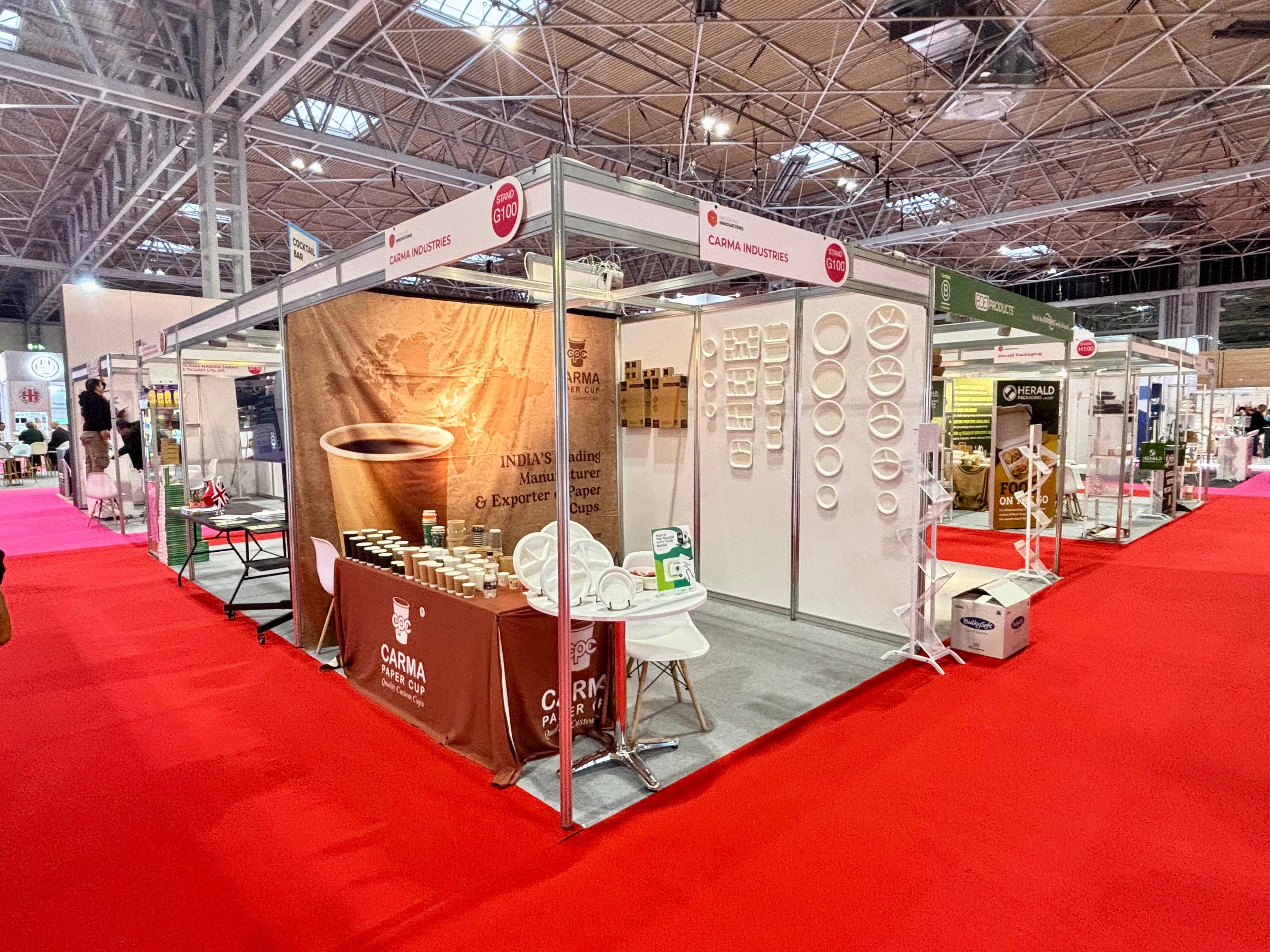
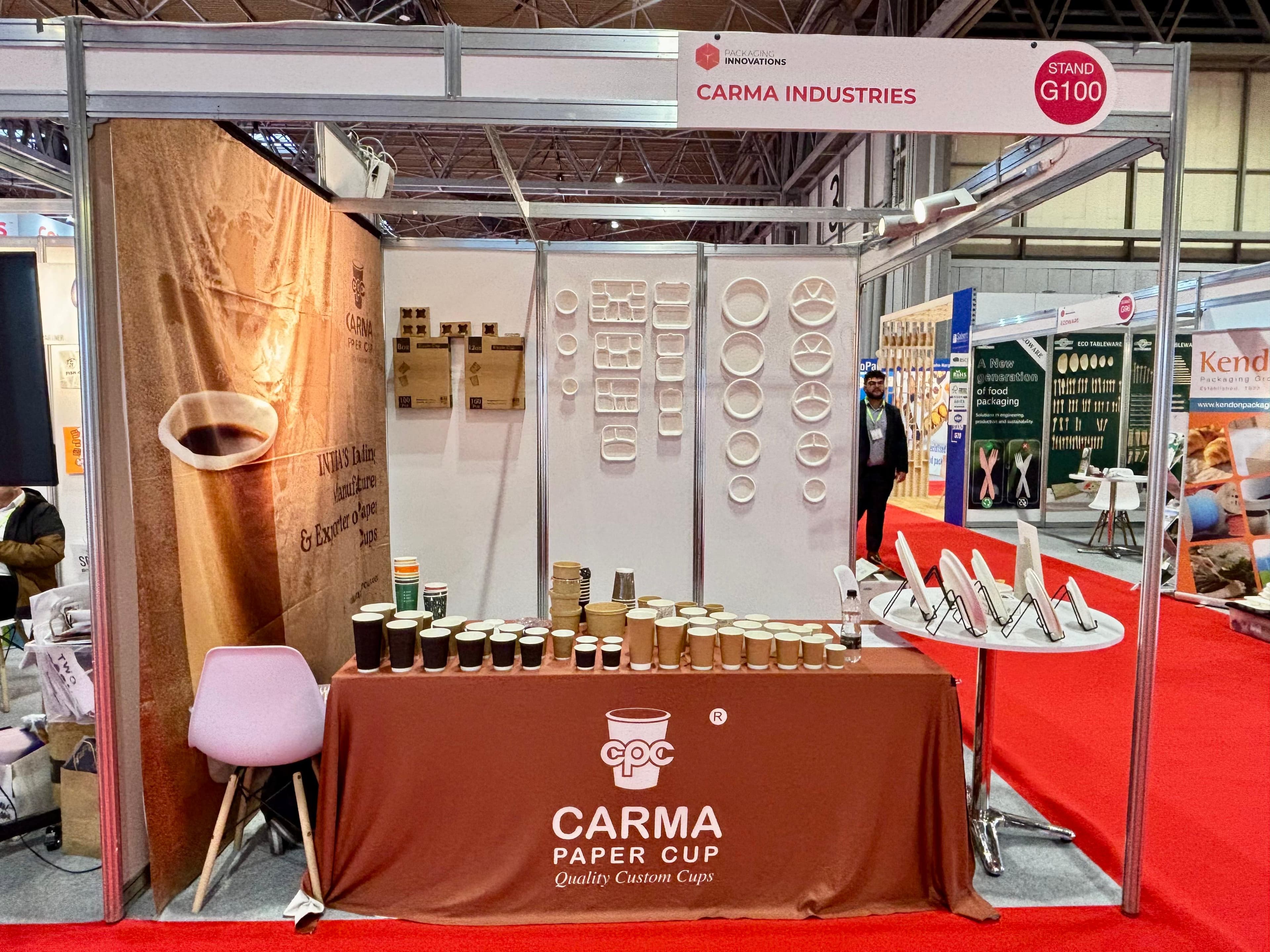
At CARMA PAPER CUP, we believe paper cup development requires more than selecting a paperboard and adding a coating. It requires understanding how materials, barrier performance, manufacturing processes, regulatory requirements, and end-of-life considerations work together. Our approach includes conventional PE-coated paper cups as well as alternative barrier technologies, including water-based and PHA-based solutions, depending on the product application and customer requirements.
Looking for a Paper Cup Supplier for the European Market?
If you are sourcing paper cups and want to discuss material composition, barrier coating, PFAS compliance, food-contact requirements, or future PPWR considerations, contact CARMA PAPER CUP to discuss your requirements.

HIREN VAMJA
DIRECTOR
Last Updated
2026-08-12
Share This Post